 Modern Knowledge House
Tokyo's Unique Dining Etiquette: Essential Practices for Visitors
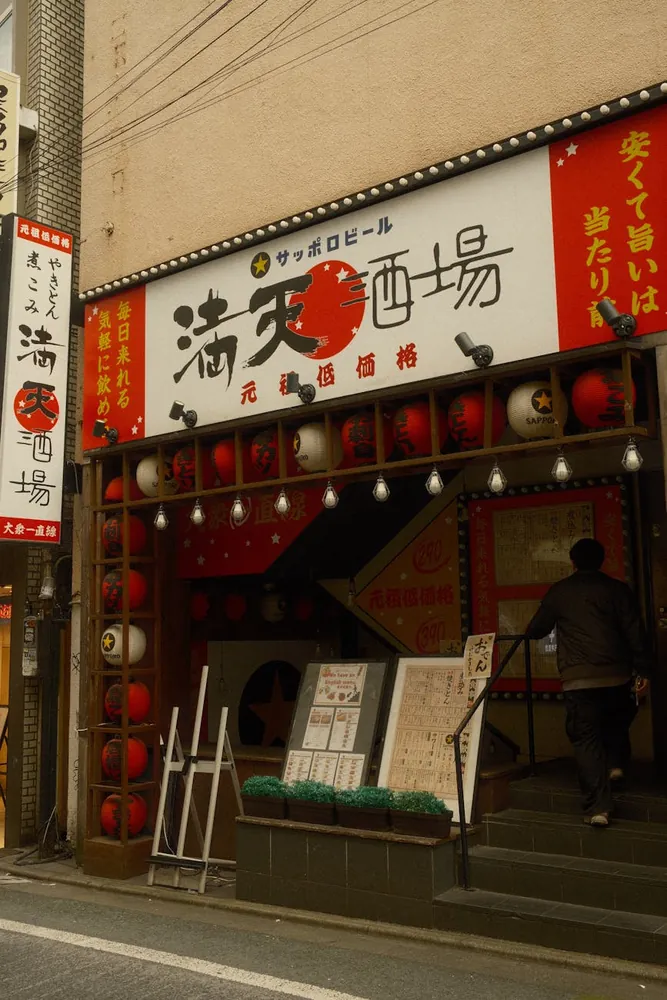
Understanding Tokyo's Dining Culture
Tokyo is not just a metropolis of dazzling neon lights and futuristic architecture; it is also a city steeped in tradition and etiquette. As a visitor, one of the most rewarding experiences is dining in its diverse culinary establishments, ranging from sushi counters to ramen shops and everything in between. However, to fully appreciate the culinary delights Tokyo has to offer, it's crucial to understand the unique dining etiquette that locals follow. This guide will help you navigate the nuances of dining in Tokyo, ensuring a respectful and enjoyable experience.
Entering a Restaurant
Reservations Are Key
In Tokyo, reservations are often necessary, especially at popular or high-end restaurants. It's considered polite to make a reservation even at smaller establishments if possible. Many restaurants have online booking systems or can be reached by phone. Showing up without a reservation might result in long waits or being turned away.
Remove Your Shoes
Many traditional restaurants in Tokyo require patrons to remove their shoes before entering the dining area. Look for signs or observe what locals do. If you see a step up from the entrance area, it's usually an indication to remove your shoes. Restaurants will typically provide a small shelf or lockers to store them.
The Art of Ordering
Respect for Seasonal Menus
Japanese cuisine greatly values seasonality. It's common for menus to change based on what ingredients are fresh at any given time. Be open to trying seasonal specials, as they often showcase the chef's skills and the best flavors of the time.
Ordering Etiquette
When you're ready to order, simply say "Sumimasen" (excuse me) to get the attention of the waiter. It's a polite way to indicate you need assistance. In some places, especially izakayas (Japanese pubs), there may be a button on the table to summon staff.
- Avoid modifying dishes as Japanese chefs take pride in their carefully crafted menu items.
- It's customary to order all your food at once rather than piecemeal throughout the meal.
Table Manners: Do's and Don'ts
Chopstick Etiquette
Using chopsticks properly is a vital part of Japanese dining etiquette. Here are some key points:
- Avoid sticking chopsticks vertically into rice; this resembles a funeral practice.
- Do not pass food from chopstick to chopstick, as this mimics a funeral rite.
- If sharing dishes, use the opposite end of your chopsticks to serve yourself.
Saying "Itadakimasu" and "Gochisousama"
Before eating, say "Itadakimasu," which expresses gratitude for the food. After finishing, say "Gochisousama deshita" to show appreciation for the meal. These phrases are simple yet convey respect and gratitude towards the chef and the food.
The Complexities of Tipping
Tipping is not a part of Japanese culture and can actually be seen as rude or confusing. Service is included in your bill, and staff are paid adequately without relying on tips. If you leave money on the table or attempt to give extra cash directly, it may be returned to you.
If you wish to express exceptional gratitude, consider bringing a small gift instead. However, this is neither expected nor necessary for tourists.
Paying the Bill
At the Table or Cash Register?
The method of settling your bill varies by restaurant:
- In many places, you'll receive your bill at your table but pay at a designated counter near the exit.
- In more casual settings, such as ramen shops, you might pay first using vending machines where you purchase meal tickets.
Always check with staff if you're unsure of how to pay; they'll be more than willing to assist you.
Cash is King
While credit cards are becoming more accepted in Tokyo, cash remains the preferred payment method in many traditional establishments. It's wise to carry yen to ensure smooth transactions, especially in smaller eateries or market stalls.
Embrace the Experience
Dining in Tokyo is as much about immersing yourself in cultural practices as it is about enjoying world-class cuisine. By understanding and respecting local customs, you can enhance your dining experiences and leave a positive impression on those you interact with during your stay. Remember, each meal is an opportunity not only to enjoy exceptional food but also to engage with Tokyo's rich cultural tapestry.