 Modern Knowledge House
Incorporating Quality Craftsmanship into Every Aspect of Luxury Living
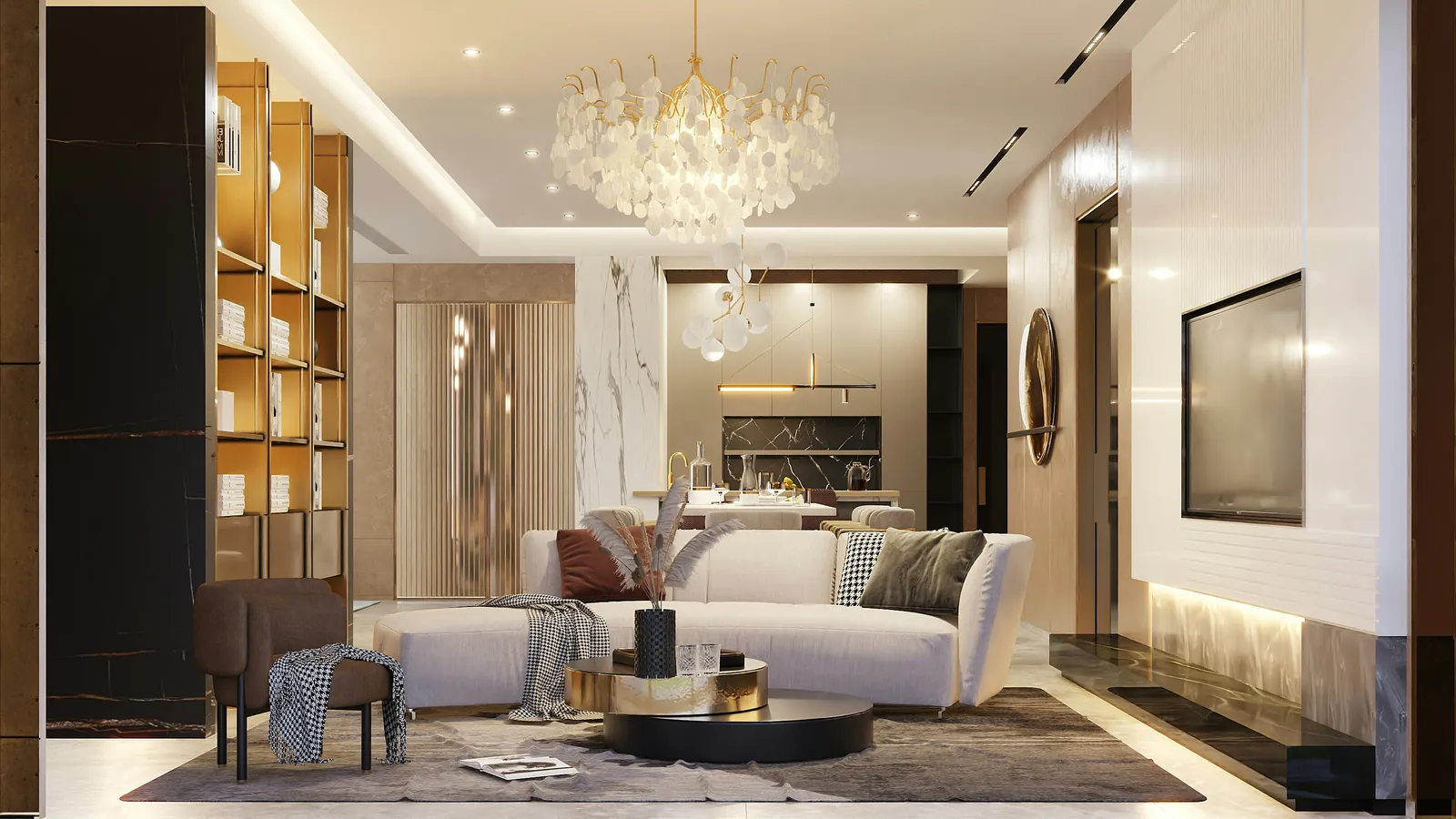
Embracing Quality Materials: The Foundation of Luxury
When designing a luxury home, the selection of materials sets the stage for everything that follows. High-quality materials not only enhance aesthetic appeal but also ensure longevity and sustainability. In the realm of luxury, the focus often shifts from standard options to those that reflect exceptional craftsmanship and rarity.
Natural Stone vs. Engineered Alternatives
The choice between natural stone and engineered materials often sparks debate in luxury design circles. Natural stone, such as marble, granite, and limestone, brings an authentic touch of nature into the home, each slab telling its own unique story through veins and patterns crafted over millennia. This makes it a preferred choice for statement elements like countertops and flooring. However, natural stone requires meticulous maintenance and is susceptible to staining and scratching.
On the other hand, engineered stones like quartz offer increased durability and a wide range of colors and patterns. Although they lack the historical charm of natural stone, they provide practicality without sacrificing elegance. These are ideal for busy households where ease of maintenance is paramount.
Choosing between these options depends on the lifestyle preferences and commitment to upkeep from the homeowner. Those looking for minimal maintenance might opt for engineered stones, while purists who appreciate natural history might lean towards natural options.
Exotic Woods: A Timeless Choice
Wood plays a pivotal role in imparting warmth and richness to a space. Exotic hardwoods like mahogany, teak, and walnut are staples in luxury homes. These woods are prized for their durability and deep, rich hues that develop character over time. They are perfect for flooring, cabinetry, and custom furniture.
However, sustainability is a growing concern among discerning homeowners. Sourcing certified woods from sustainable forests ensures that your home’s luxurious aesthetics do not come at an environmental cost.
- Pros: Adds warmth, improves with age, sustainable options available.
- Cons: Can be expensive, requires regular maintenance.
Designing Open Spaces: Harmonizing Flow and Functionality
The allure of open spaces lies in their ability to create an airy and expansive feel. In luxury homes, this translates to floor plans that seamlessly blend living, dining, and kitchen areas into one fluid space. However, achieving this requires careful consideration of both form and function.
Open Concept vs. Defined Areas
An open concept layout enhances social interaction and allows for flexible use of space. It’s particularly beneficial in homes with scenic views or abundant natural light, as it permits unobstructed lines of sight. Despite its advantages, some may find open spaces lacking in privacy or intimacy.
Conversely, defined areas can provide a sense of structure and personal space within the home. These might include distinct rooms for formal dining or libraries. Such configurations allow each area to have its own identity and purpose while still maintaining a coherent overall design through consistent aesthetic themes.
- Pros of Open Concept: Enhanced social interaction, improved lighting.
- Cons: Less privacy, potential for noise travel.
- Pros of Defined Areas: Privacy, specialized functions.
- Cons: Can feel segmented or confined.
The Role of Furniture Placement
Furniture plays a critical role in defining zones within open spaces without physical barriers. Strategic placement can establish visual boundaries and enhance functionality. Consider using rugs to anchor seating areas or bookshelves as informal dividers.
An expert tip is to use pieces with multiple functions—such as ottomans with storage or tables that extend—to maximize utility without cluttering the space.
Bespoke Details: Infusing Personal Identity
What ultimately defines luxury living is the personal touch—those bespoke details that transform a house into a home reflecting its owner’s personality and taste. Customization allows homeowners to inject personal stories into their living environment, creating spaces that resonate with them on a deeper level.
Commissioned Artwork
The inclusion of commissioned artwork is an exquisite way to introduce individuality into a home. Whether it’s a mural painted directly onto the wall or sculptures that harmonize with the interior design, art adds layers of texture and emotion that mass-produced items cannot replicate.
Selecting artwork involves more than just color coordination; it requires an emotional connection with the piece and an understanding of how it will complement the overall aesthetic narrative of the home.
Custom Furniture Pieces
Bespoke furniture pieces crafted by skilled artisans offer not only functionality but also uniqueness in form and style. Whether it’s a handcrafted dining table made from locally sourced wood or a designer sofa upholstered in handpicked fabric, these items become conversation starters that reflect the homeowner’s distinctive tastes.
- Pros: Unique expression, supports local artisans.
- Cons: Can be costly, longer lead times for production.
Smart Home Integration
The infusion of technology into bespoke details elevates luxury living to new heights. Smart home systems that integrate lighting, climate control, and security allow homeowners to tailor their environment at the touch of a button while adding an invisible layer of sophistication to their living experience.
However, it’s crucial to ensure that technology integration doesn’t disrupt the aesthetic harmony of a space. Hidden wiring solutions and smart devices that blend seamlessly with decor are essential considerations for preserving the integrity of bespoke environments.
- Pros: Enhanced convenience, increased efficiency.
- Cons: Potential tech failures, requires initial setup investment.
Conclusion: Crafting Your Ideal Luxury Environment
The pursuit of luxury living is ultimately about curating an environment where every element speaks to quality, style, and personal expression. By focusing on quality materials, open spaces, and bespoke details, homeowners can create spaces that not only exude elegance but also foster comfort and individuality. Whether through choosing timeless materials like natural stone or embracing innovative technology with smart home systems, each decision contributes to crafting a holistic luxury living experience tailored uniquely to you.