 Modern Knowledge House
When to Choose Free-to-Play or Premium Pricing in Mobile Gaming
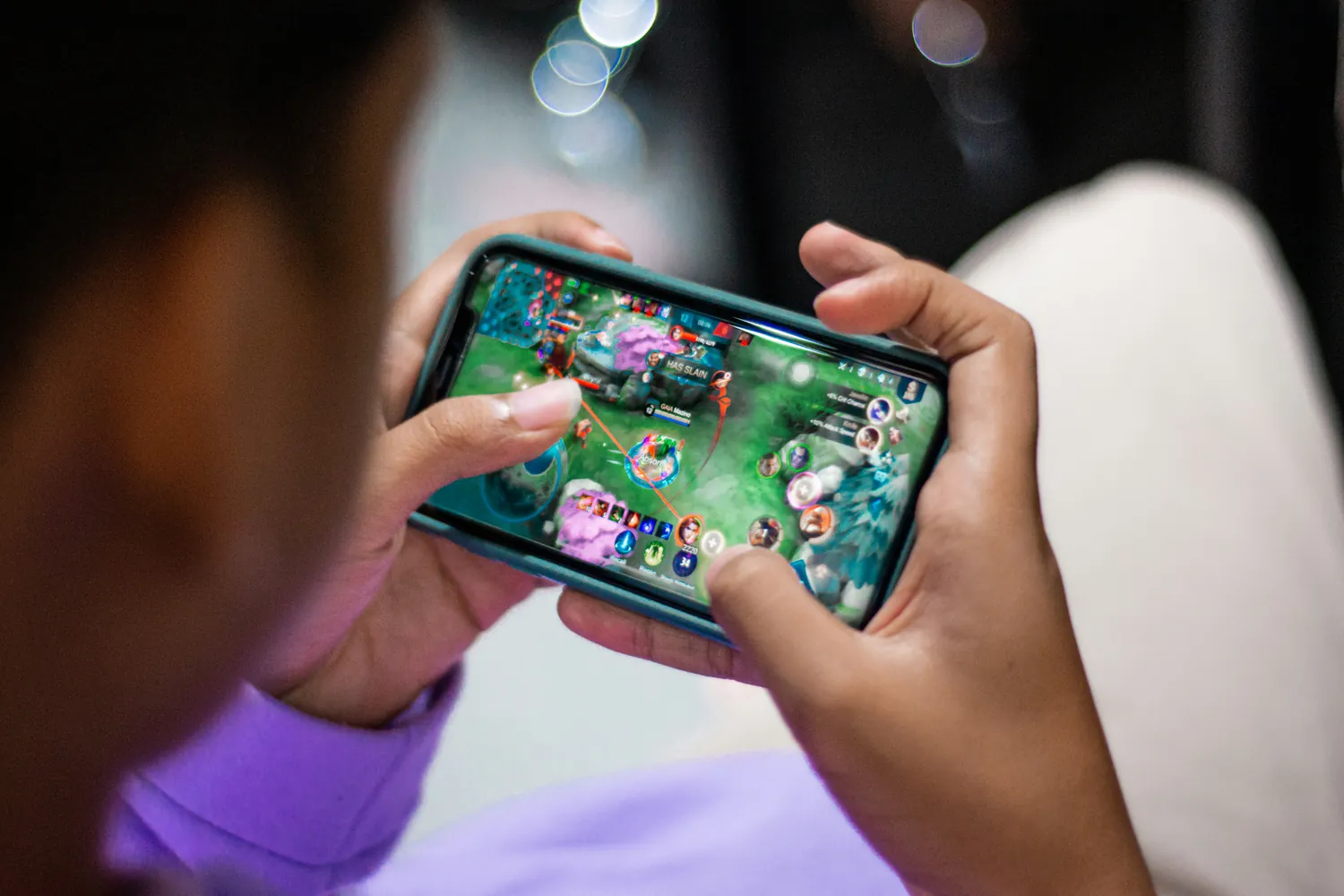
Understanding Free-to-Play and Premium Models
In the competitive landscape of mobile gaming, developers face a crucial decision: opting for a free-to-play (F2P) model or a premium pricing strategy. Each comes with distinct advantages and challenges, impacting both player engagement and monetization potential.
Free-to-Play Model
The F2P model allows users to download and play games without an upfront cost. This approach often utilizes in-app purchases (IAPs), ads, or premium subscriptions to generate revenue. Notable examples include Fortnite and Clash of Clans, which have successfully harnessed this model.
- Advantages: Larger user base due to zero cost of entry, increased opportunities for virality and social sharing.
- Disadvantages: Dependence on IAPs and ads can lead to fluctuating income; risk of alienating players who dislike monetization tactics within gameplay.
Premium Pricing Model
Games utilizing a premium model require users to pay upfront for full access, such as Minecraft or The Room series. This method assures immediate revenue per download but limits initial reach.
- Advantages: Predictable income from each purchase, straightforward user experience without additional purchase prompts.
- Disadvantages: Smaller audience due to higher entry barrier, challenges in achieving widespread visibility without extensive marketing.
Factors Influencing Pricing Model Choice
The decision between F2P and premium models should align with several strategic considerations. Here are some key factors developers need to assess:
Target Audience Demographics
Understanding the target demographic is pivotal. Younger audiences may prefer F2P due to limited purchasing power, while older gamers might favor premium games for a more straightforward experience without constant upsells.
Game Genre and Content Type
The genre plays a significant role in determining the appropriate model. Casual games often thrive under F2P due to their broad appeal, whereas niche or narrative-driven games can succeed as premium products because dedicated fans are willing to pay for a unique experience.
Market Trends and Competition
Analyzing competitors’ strategies can provide insight into successful pricing models. For instance, if competitors in a genre predominantly use F2P, breaking into the market with a premium game might necessitate exceptional marketing efforts or unique value propositions.
Case Studies: Successes and Lessons Learned
Case Study: Supercell's Clash of Clans
Clash of Clans exemplifies a successful F2P game that leverages in-app purchases effectively. Through engaging gameplay mechanics and a strong community presence, Supercell sustains substantial revenue streams without charging for downloads. Regular updates and seasonal events keep the game fresh, encouraging continued player investment.
Case Study: Monument Valley by Ustwo Games
The success of Monument Valley, a premium game known for its artistic design and innovative puzzles, highlights how premium pricing can work when content quality justifies the upfront cost. By focusing on delivering an exceptional user experience, Ustwo Games managed to attract media attention and word-of-mouth promotion, ensuring sustained sales even with a smaller initial audience.
Navigating Monetization Strategies Within Models
Beyond choosing a model, developers must consider nuanced monetization strategies that enhance user experience without detracting from gameplay enjoyment.
For Free-to-Play: Balancing Monetization and Engagement
A delicate balance is necessary to avoid frustrating players. Implementing optional cosmetics or non-essential gameplay elements as paid features minimizes disruption. For instance, Riot Games' League of Legends: Wild Rift offers skins that don't affect gameplay but enhance player expression.
For Premium: Justifying Upfront Costs
To justify an upfront cost, developers should emphasize unique features such as exclusive content or early access. Robust marketing campaigns highlighting these aspects can convert hesitant buyers by showcasing the game's value proposition effectively.
The Hybrid Approach: Combining Free-to-Play and Premium Elements
A hybrid model blending both F2P and premium elements can optimize reach and revenue. This involves offering a base game for free while selling expansions or additional content. The hybrid approach suits games like PUBG Mobile, which offers a free base game with optional paid seasons or battle passes.
With hybrid models, transparency is key. Clear communication about what’s free versus paid prevents backlash over perceived unfairness.
Conclusion: Making the Right Choice
The decision between F2P and premium pricing should reflect a comprehensive understanding of your audience, game design, and market dynamics. Testing different models with smaller releases or beta versions can provide data-driven insights into player preferences and purchasing behavior.
No single strategy fits all scenarios. Whether choosing F2P, premium, or a hybrid model, the ultimate goal should remain delivering a compelling gaming experience that meets both player expectations and business objectives.